Division of Anatomy, Histology, and Embryology
About the Department
The Department of Anatomy and Histology was established in 2014, making it the first department to be opened upon the founding of the college. The department offers many core subjects taught to students across all five stages. One of the department's main objectives is to teach students how to handle animals in the first stage, create anatomical drawings of different animal species, and understand the locations of bones as well as the blood and nerve supply to each part or organ of the body. Moreover, students learn about the histological structure of all organs, understand the changes affecting tissues under physiological and pathological conditions, and receive training on how to perform both exploratory and therapeutic surgical procedures.
It is one of the first scientific departments established since the founding of the college. It aims to teach both gross and microscopic anatomy of animal body organs and to compare different animals, in addition to studying the development of organs during the embryonic period of the animal's life. The department includes the sections of anatomy, histology, and embryology. Teaching relies on real specimens, plastic models, and instructional films. The department houses postgraduate laboratories, chemical materials, a postgraduate lab, student anatomy laboratories, a laboratory for laboratory animals, and an imaging unit equipped with cameras and computers for photographing tissue slides.
Admissions and Job Opportunities for Graduates
Admissions:
The College of Veterinary Medicine accepts students only from graduates of the scientific track of high school and from current-year graduates according to centralized admission, in accordance with the rules and regulations set by the Ministry of Higher Education and Scientific Research, and within the admission quotas for each academic year.
Learning Outcomes:
Preparing specialized veterinary personnel in the fields of veterinary medicine and surgery to contribute to the diagnosis and treatment of diseases, as well as to the prevention of animal diseases, with the aim of maintaining the health of livestock, promoting its development, and increasing its productive efficiency. They also play a role in combating diseases shared between humans and animals.
Job Opportunities for Graduates:
Graduates of veterinary colleges have job opportunities in veterinary hospitals and clinics, in addition to various departments under the Ministries of Health, Interior, and Agriculture. They can also work in research institutions and centers, providing service and therapeutic consultations to project owners, such as poultry or livestock farming projects. Furthermore, they can work in food industry institutions and animal product companies, as they play an important role in protecting consumer health and preventing the transmission of diseases from animals to humans.
Branch Activities
Conducting numerous training courses and workshops, particularly those aimed at training the branch's professors and staff on the use of modern equipment.
Organizing celebrations on religious and national occasions.
Organizing field visits by the branch's faculty, staff, and students to institutions and sites relevant to veterinary work and public health.
Below is the file of the academic program guide and course descriptions for the College of Veterinary Medicine, Al-Shatra University.
 File Attachment
Most Viewed
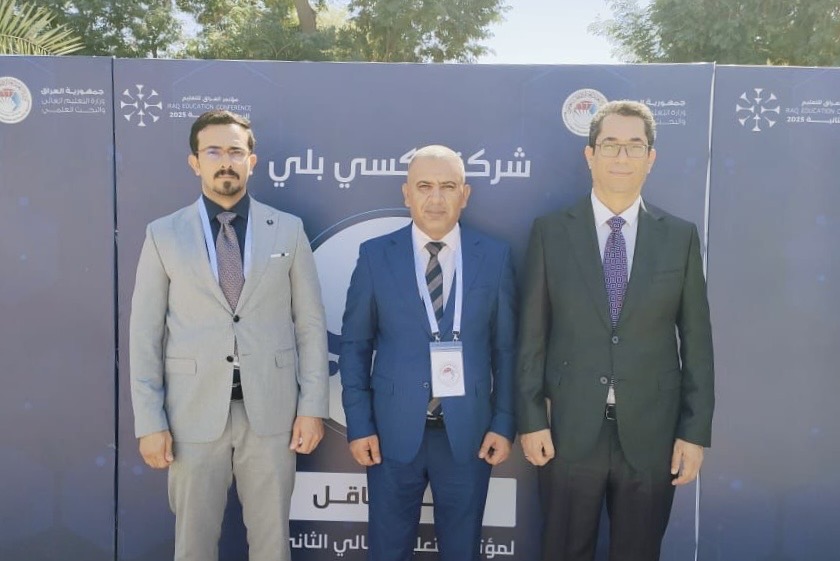
University of Shatrah participates in the Iraq Education 2025 Conference
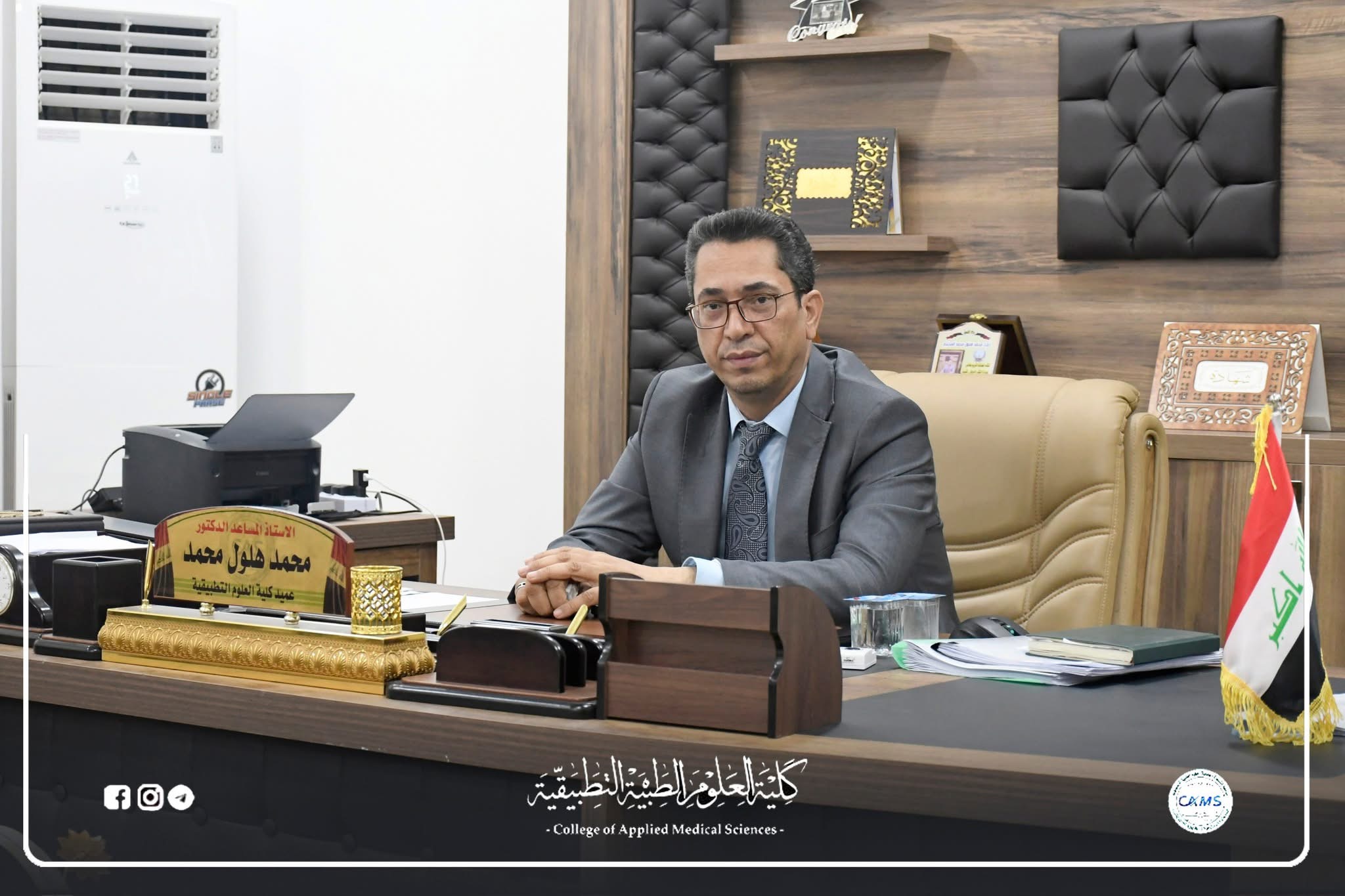
The President of University of Shatrah follows up on scientific and academic developments at the Faculty of Applied Medical Sciences

The President of University of Shatrah receives the Assistant Director of the Open Educational College in Shatrah
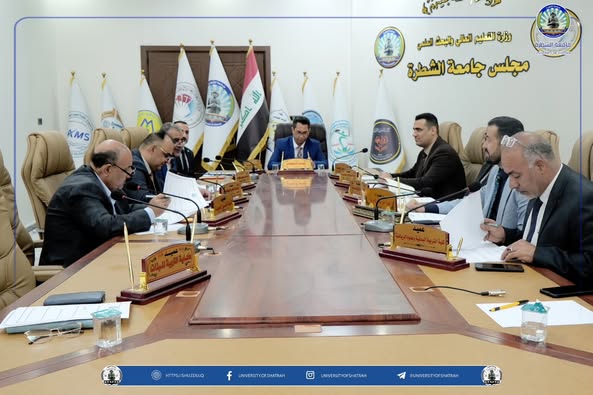
The University of Shatrah Council holds its first meeting for the academic year 2026-2025
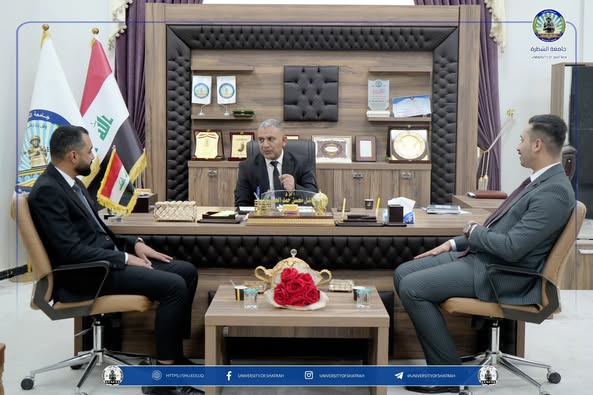
The Scientific Assistant to the University President receives a delegation from the Holy Abbasid Shrine
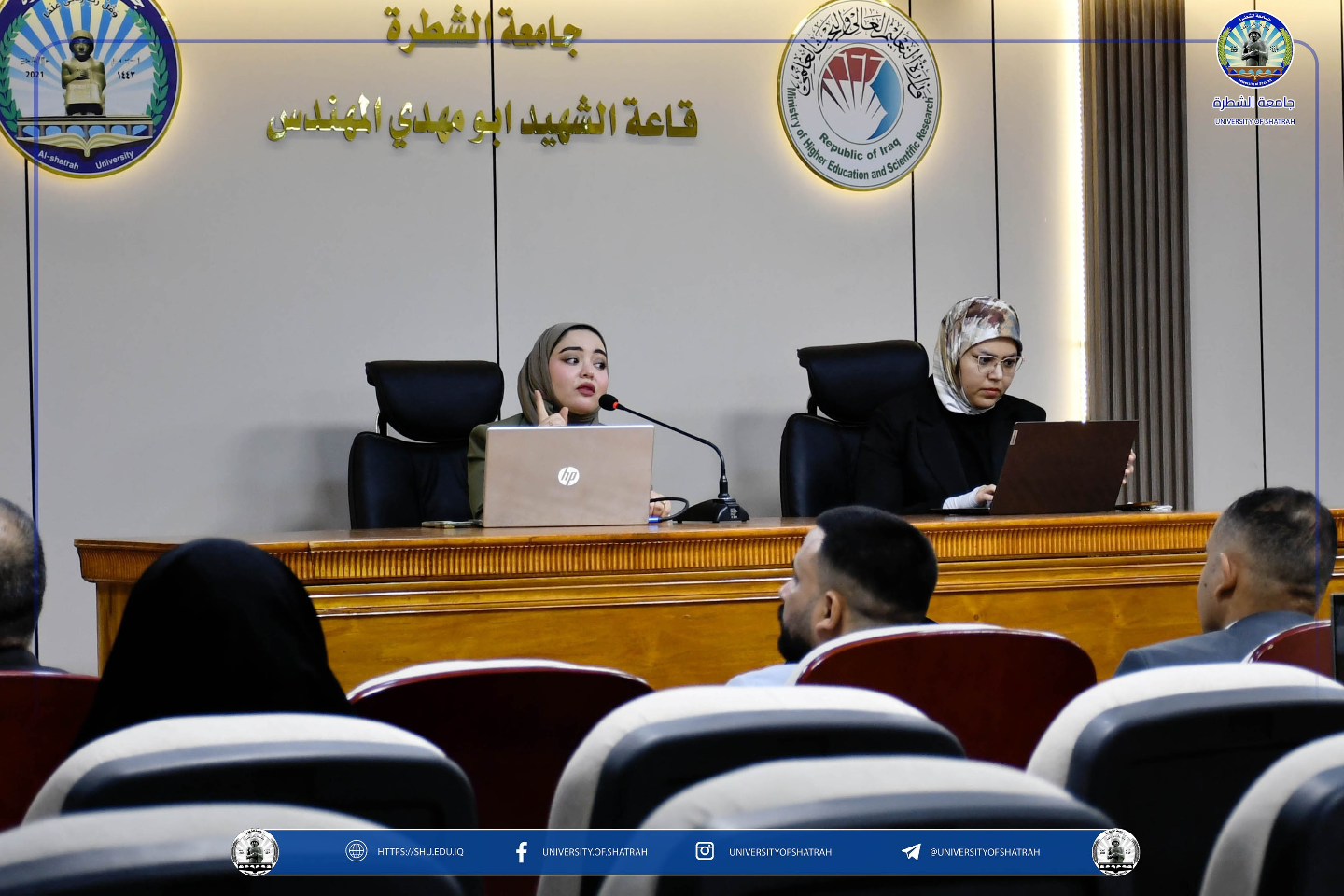
University of Shatrah organizes a workshop on academic promotion guidelines and how to use the electronic platform
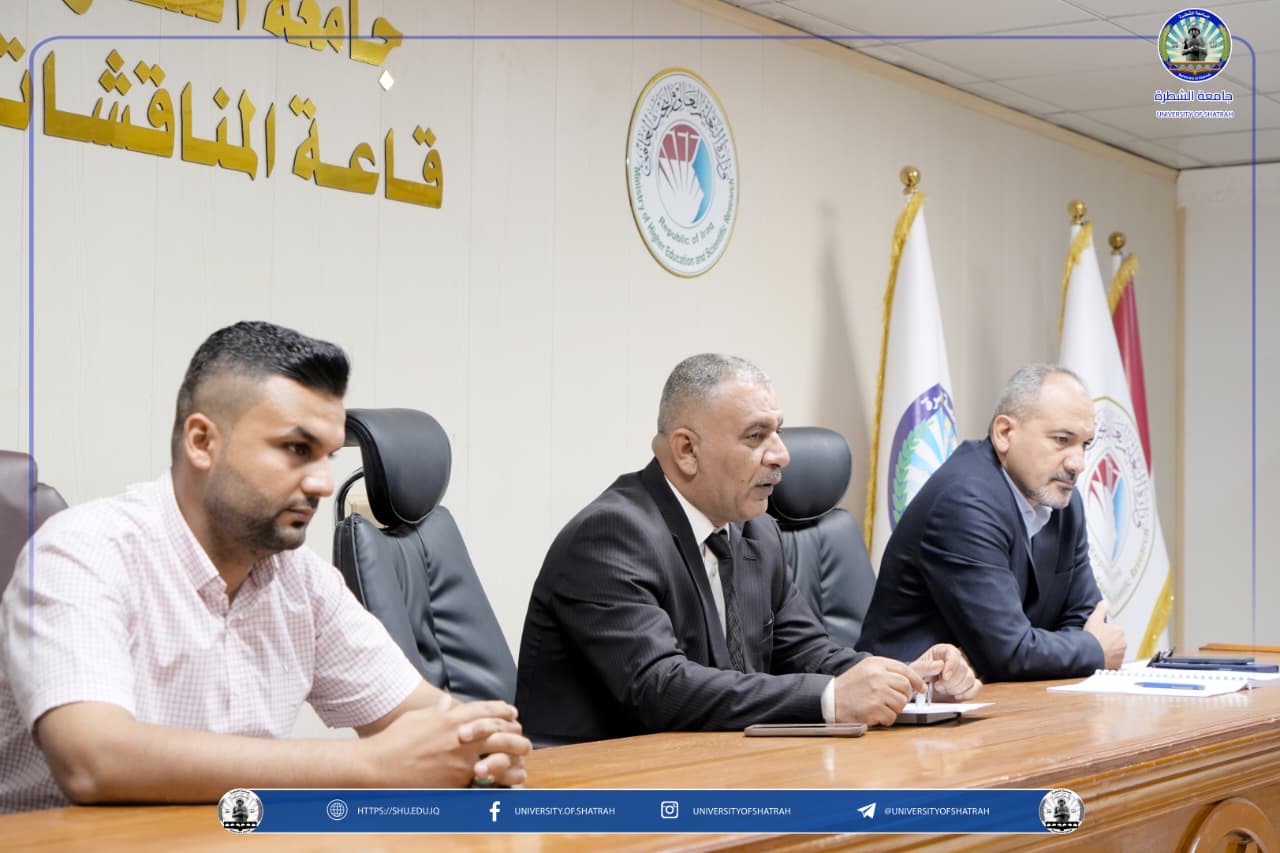
University of Shatrah organizes a workshop on “Instructions and regulations for admission to evening classes”
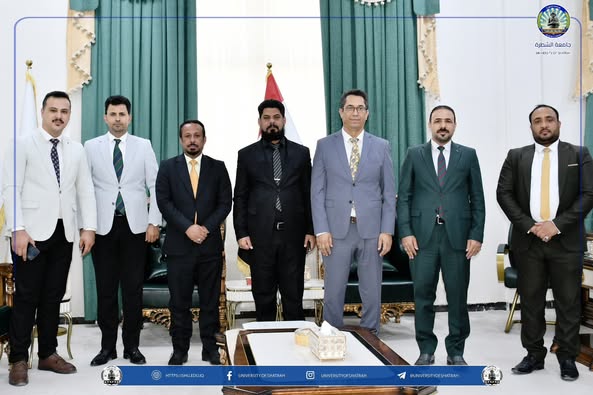
The President of University of Shatrah receives a delegation from the Sadikoun in Dhi Qar